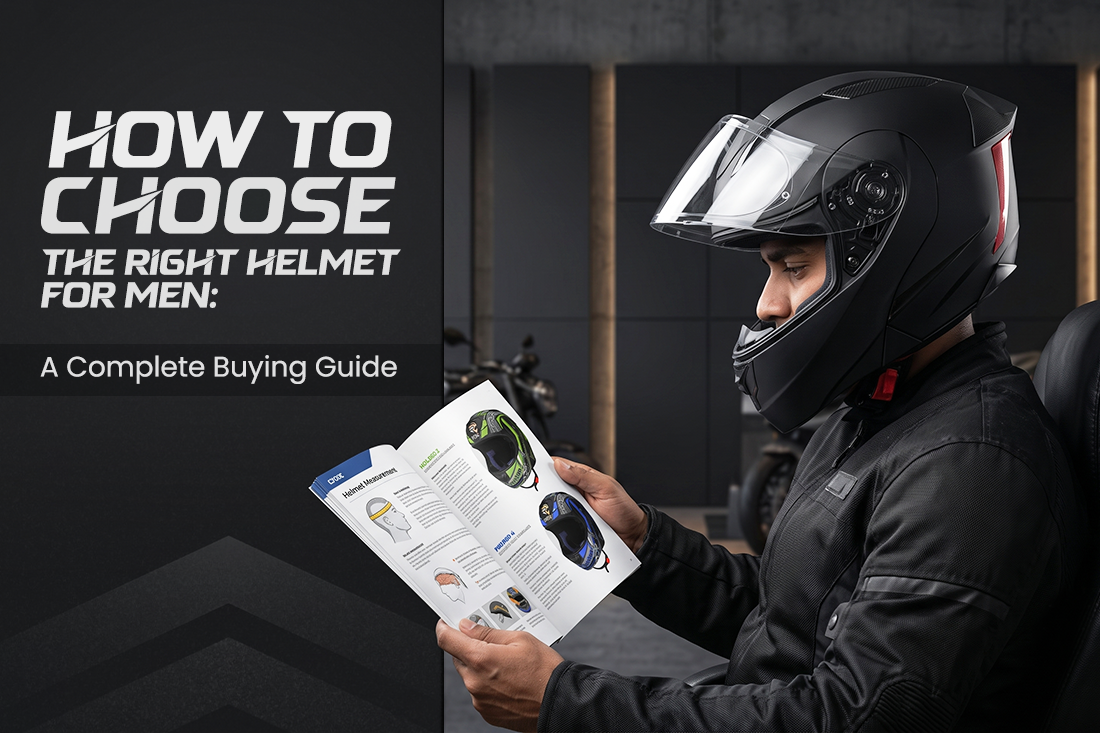
Buying a helmet is one of those decisions that deserves more thought than simply picking the design you like the most. After all, a helmet is one of the most important pieces of safety gear you wear every time you get on your bike. The right one should protect you, fit securely and remain comfortable throughout your ride.
But with so many options available today, finding the right helmet for men can feel confusing. Full-face or open-face? Which size should you buy? How snug should it feel? Does the material matter? And what about ventilation, the visor, and other features?
The good news is that choosing the right helmet doesn't have to be complicated. Once you know what to look for, the process becomes much easier. From understanding helmet sizes to checking certification and finding the right fit, here's everything you should consider before buying your next helmet.
Start With Your Riding Needs
Before you start comparing helmets, think about how you actually ride.
If you're mostly commuting through busy city roads, you may want a helmet that feels comfortable, provides adequate ventilation, and is easy to put on and secure every day. If you regularly go on longer rides, coverage, padding, weight and overall comfort may matter even more.
Your riding style should influence your choice of helmet. There is no point choosing a helmet simply because it looks impressive if it doesn't suit the way you ride.
Start with your everyday needs, then look at the features that can make those rides safer and more comfortable.
Understand the Different Types of Helmets
Helmets come in different designs, and each one offers a different level of coverage.
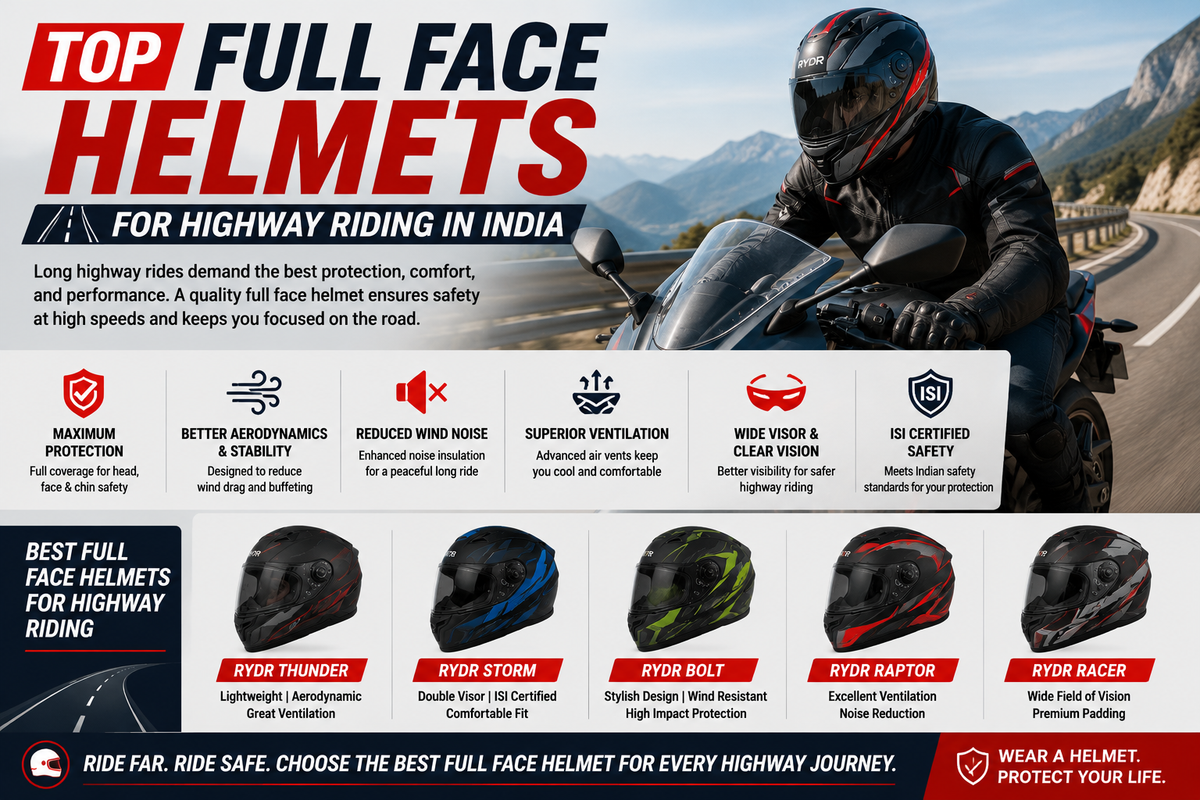
Full-face helmets provide extensive coverage around the head, cheeks, chin and jaw. They are a strong option for riders who prefer more complete coverage and are suitable for both everyday riding and longer journeys.
Open-face helmets cover the top and sides of the head while leaving the face and chin more exposed. Their open design offers a more airy riding experience and can be particularly convenient for regular city rides.
Modular or flip-up helmets combine elements of full-face and open-face designs. Their movable chin section offers additional flexibility for riders who want a versatile design.
RYDR's adult helmet range includes open-face, full-face, and flip-up options, giving riders different choices based on their preferred style and level of coverage.
Get the Fit Right
A helmet should feel secure without becoming uncomfortable. When you put it on, it should sit firmly on your head without excessive movement, while the inner padding should provide comfortable contact without creating painful pressure points.
Pay attention to how the helmet feels around your cheeks, forehead and the sides of your head. If it shifts noticeably when you move your head, it may be too loose. On the other hand, persistent pressure or discomfort can indicate that the fit or shape isn't right for you.
It's also worth remembering that the right fit isn't only about size. Helmet shape and inner padding can influence how a helmet sits on your head, so try it on whenever possible and give yourself a moment to see how it actually feels.
A well-fitted helmet should stay comfortably in position throughout your ride, allowing you to focus on the road rather than adjusting your helmet along the way.
Try the Helmet On and Check the Fit
Your head measurement tells you where to start. Trying the helmet on tells you whether you've actually found the right fit.
- A properly fitted helmet should feel snug without causing painful pressure. It should sit securely on your head and shouldn't move excessively when you turn or shake your head.
- Pay attention to the cheek pads too. They should make comfortable contact with your face without feeling painfully tight.
- The front of the helmet should sit correctly above your eyebrows, and it shouldn't slide forward or backward while you're wearing it.
- A helmet that feels loose may be too large, while uncomfortable pressure points could indicate that you need a different size or helmet shape.
Consider Your Head Shape
Size isn't the only thing that determines fit. Head shape matters too.
Different helmets can suit different head shapes, including round, oval and intermediate oval shapes. Two helmets with the same size measurement may therefore feel very different once you put them on.
If a helmet matches your measurement but still creates uncomfortable pressure points or doesn't sit securely, don't immediately assume that you need a different size. The shape of the helmet may simply not suit your head.
The goal is to find a helmet that fits your head naturally and remains comfortable throughout the ride.
Look at the Padding and Inner Liner
The inside of your helmet deserves just as much attention as the outside.
Good padding helps create a secure and comfortable fit, particularly when you're wearing the helmet for longer periods. Check whether the liner feels comfortable against your head and whether the padding provides sufficient support without creating pressure points.
Removable or washable inner padding can also make everyday helmet care easier, especially if you ride frequently.
RYDR's helmets are positioned around everyday comfort alongside protection and style, making the inner fit an important part of the overall riding experience.
Check the Shell, Material and Weight
Take a closer look at the helmet's construction before you buy it.
The outer shell forms an important part of the helmet's construction, while the inner liner helps with impact absorption. Common shell materials used across helmets include ABS, polycarbonate, fibreglass and carbon fibre, with different materials offering different combinations of durability, weight and cost.
Weight is another factor worth considering. A helmet that feels manageable for a few minutes can become tiring when worn throughout a long ride.
Instead of focusing on one specification, look for a sensible balance between construction, weight, comfort and the level of protection the helmet is designed to provide.
Don't Overlook the Chin Strap
A secure helmet needs a reliable fastening system.
Once you've put the helmet on, fasten the chin strap properly and make sure it sits comfortably beneath your chin. It should feel secure without digging into your skin.
Check the buckle or fastening mechanism as well. It should be straightforward to operate and should hold firmly once fastened.
A helmet that fits perfectly but isn't secured properly cannot do its job as intended.
Consider Ventilation and Other Features
If you ride regularly in warm weather, ventilation can make a noticeable difference.
Look for a helmet with an airflow system that helps keep the inside comfortable during your ride. Additional features such as sun visors, anti-fog solutions, removable liners and other convenience features can also be useful depending on your riding conditions.
The key is not to get carried away by a long list of features. Think about what you'll actually use.
For a daily commuter, good ventilation and easy maintenance may be more valuable than a feature that rarely gets used.
Pay Attention to Visibility
Clear vision is essential when you're riding, so the visor shouldn't be an afterthought.
Make sure the visor provides a clear and unobstructed field of view and doesn't interfere with your peripheral vision. Depending on your riding conditions, an anti-fog solution can also help maintain visibility when weather conditions change.
The colour of your helmet can also influence how noticeable you are on the road. Brighter colours and reflective elements can improve visibility, particularly during low-light conditions.
Check the Safety Certification
Once you've considered fit and comfort, certification should be high on your checklist.
For riders in India, look for the required ISI certification and check the certification marking before purchasing a helmet. This helps ensure that the helmet meets the applicable Indian safety requirements.
Don't let an attractive design, a discount or a premium-looking finish distract you from this basic check. Safety certification should come first. Everything else comes after.
Common Mistakes to Avoid
A few mistakes are surprisingly easy to make when buying a helmet.
Don't choose one solely because you like the design. Don't assume that a more expensive helmet is automatically the best choice. Don't skip measuring your head, and don't buy a loose helmet simply because it feels more comfortable initially.
Most importantly, don't treat comfort and safety as competing priorities. The right helmet should give you a secure fit while remaining comfortable enough to wear throughout your ride.
Why Consider RYDR?
RYDR approaches helmets with a focus on three things that matter to everyday riders: protection, comfort, and style. Its adult range includes different helmet formats and designs, giving riders options for different preferences and riding routines.
Whether you're looking for an open-face helmet for everyday city rides or prefer the greater coverage of a full-face design, RYDR's range gives you different options to explore.
Ultimately, the best helmet for men is one that fits properly, feels comfortable, and works for the way you ride. RYDR's focus on combining practical riding needs with contemporary design makes it worth considering when you're looking for your next helmet.
Final Thoughts
Choosing the right helmet for men comes down to more than finding a design you like. It is about finding a helmet that suits the way you ride and gives you the right balance of protection, comfort, and practicality.
Start with the basics: the right coverage, proper fit, safety certification, and solid construction. Then look at ventilation, weight, fastening, visibility, and other features that can make a difference to your everyday riding experience.
You don't need to choose a helmet based on every feature available; focus on what genuinely works for you.
Take your time, compare your options, and choose a helmet that you can wear confidently on every ride. Because when it comes to riding, the right helmet isn't just part of your gear. It is an essential part of being prepared for the road ahead.
Frequently Asked Questions-
1. What should I look for when buying a helmet for men?
Start with the essentials: safety certification, coverage, and a secure fit. After that, look at construction, ventilation, weight, fastening, and visibility based on how you ride.
2. Which type of helmet is best for everyday riding?
It depends on your riding style. Full-face helmets offer greater coverage, while open-face helmets provide a more open and airy riding experience. Choose the one that fits your needs and feels comfortable for your regular rides.
3. How should a helmet fit?
It should feel snug but not painfully tight. The helmet should stay securely in place when you move your head, without excessive shifting or uncomfortable pressure points.
4. Is an ISI-certified helmet important in India?
Yes. Safety certification is an important check when buying a helmet in India. Look for the required ISI certification and marking before making your choice.
5. What features should I consider in a bike helmet for men?
Think about what will actually make your rides better. Good ventilation, comfortable padding, a secure fastening system, and clear visibility are all worth considering. Features should complement your riding needs, not simply add to the price.

Leave a comment
This site is protected by hCaptcha and the hCaptcha Privacy Policy and Terms of Service apply.