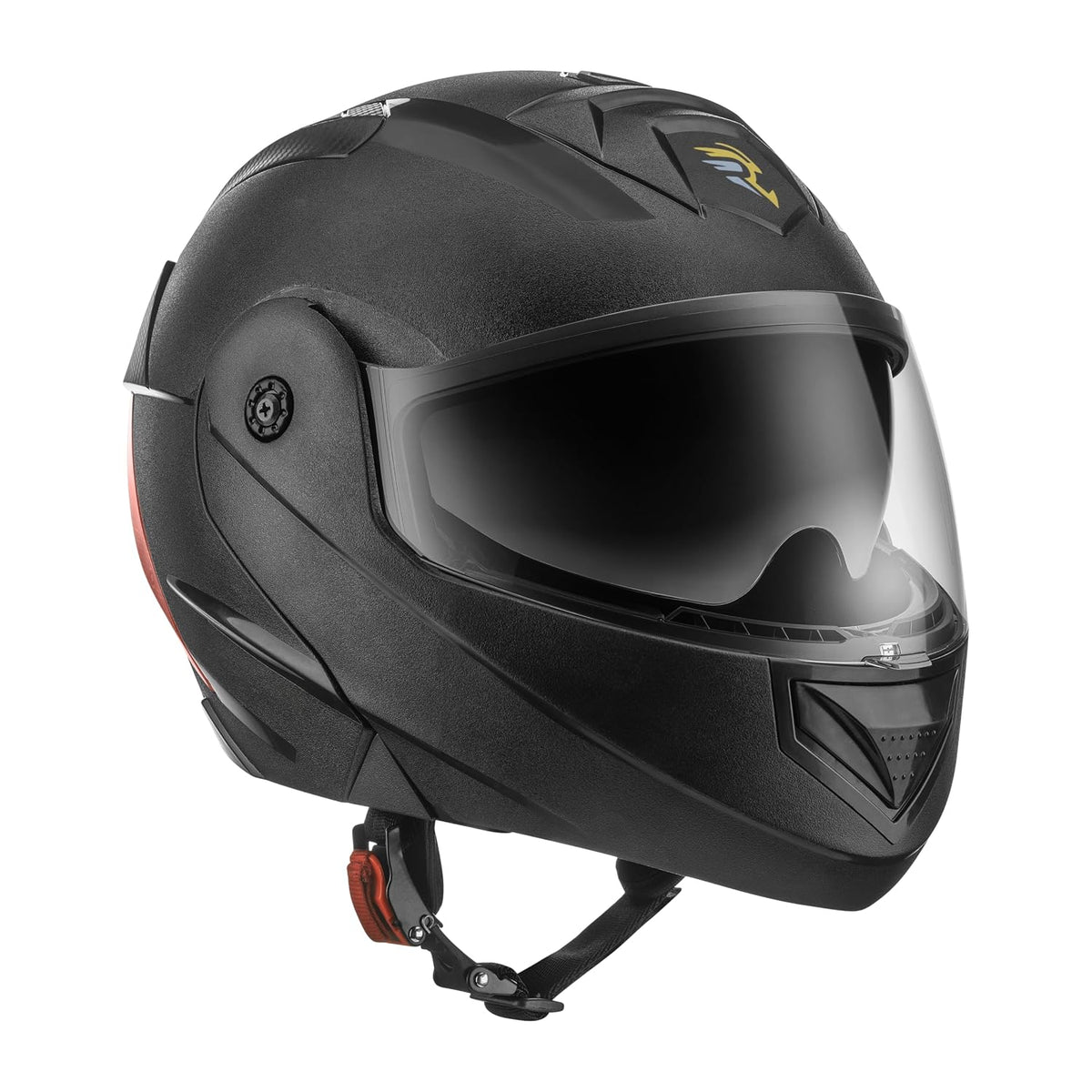
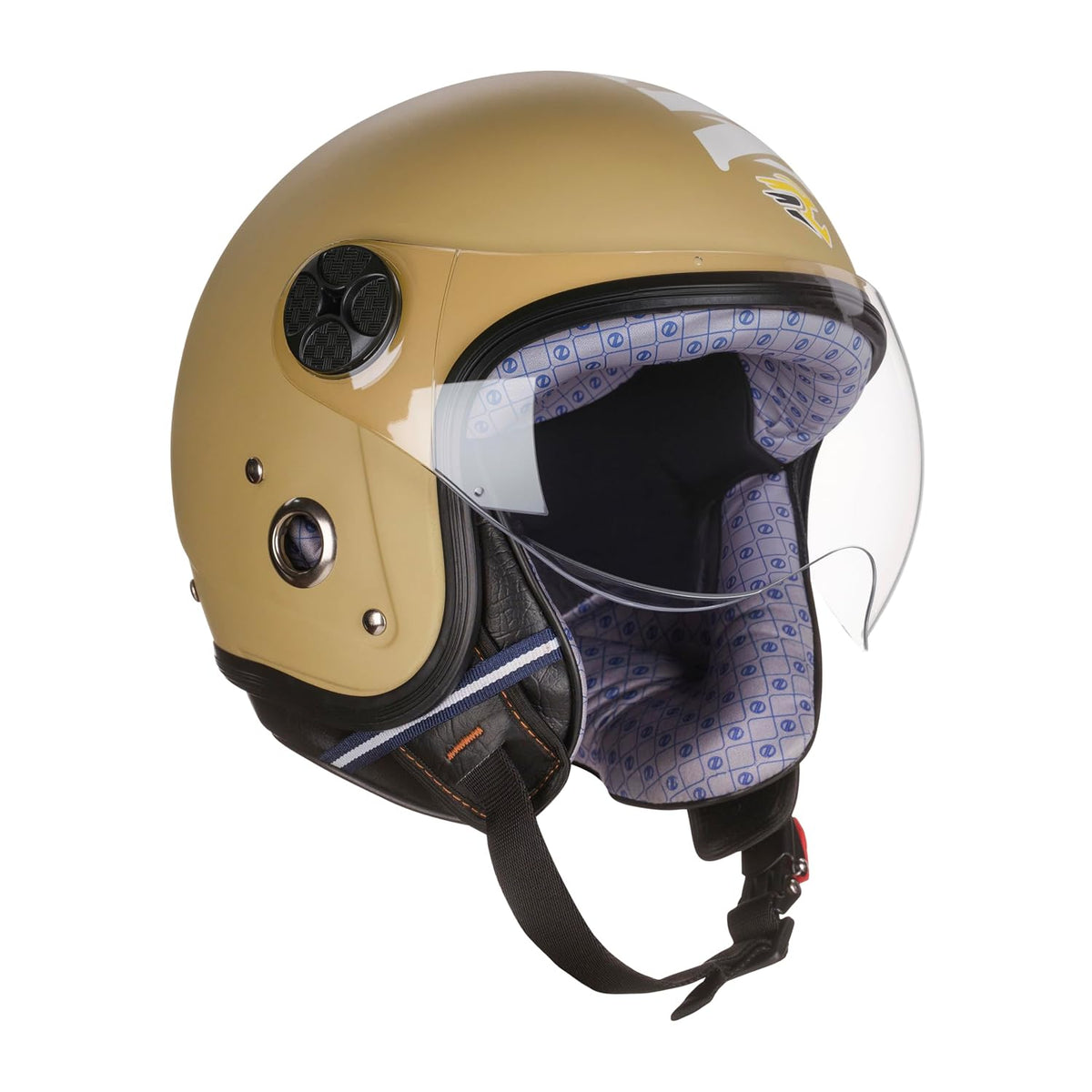
Whether you commute through busy city traffic or head out for a weekend ride, your helmet is an essential piece of riding gear. It helps protect your head and needs to fit securely every time you ride. This guide covers the different types of helmets for men, how to check fit and certification, and what to consider when browsing the RYDR men’s collection.
What Is a Bike Helmet and Why Is It Important?
A bike helmet is protective headgear designed for people riding motorcycles, scooters, and other two-wheelers. It helps protect your head during a fall or collision and should remain securely in place while you ride.
However, protection depends on more than the outer shell. The right fit, adequate head coverage, a clear visor, proper ventilation, and a secure chin strap all contribute to a comfortable and secure fit.
Understanding Different Types of Helmets for Men
Men’s helmets come in different designs, with the main differences relating to head and face coverage. Understanding these options can help you choose a style that suits your riding needs.
Full-Face Helmets
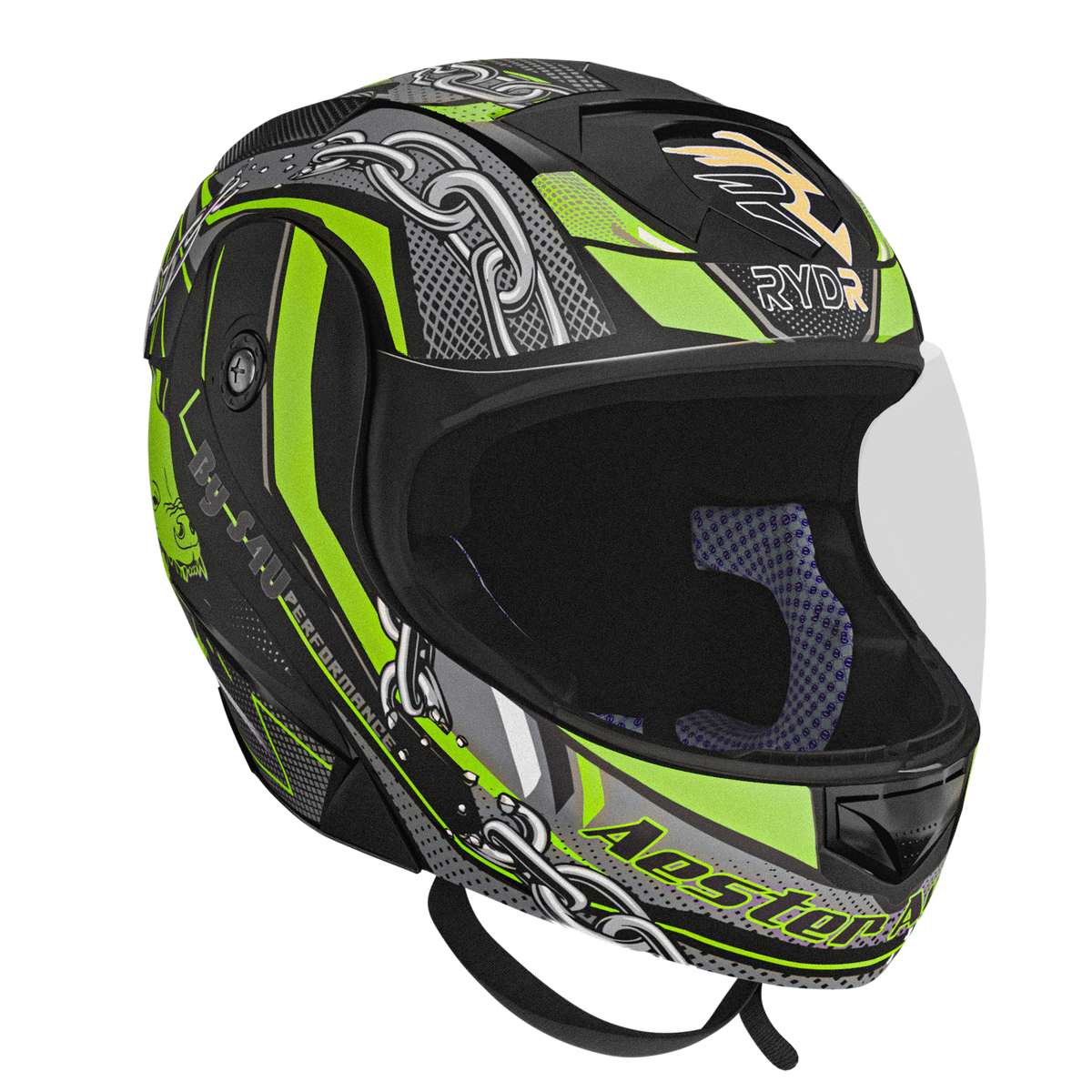
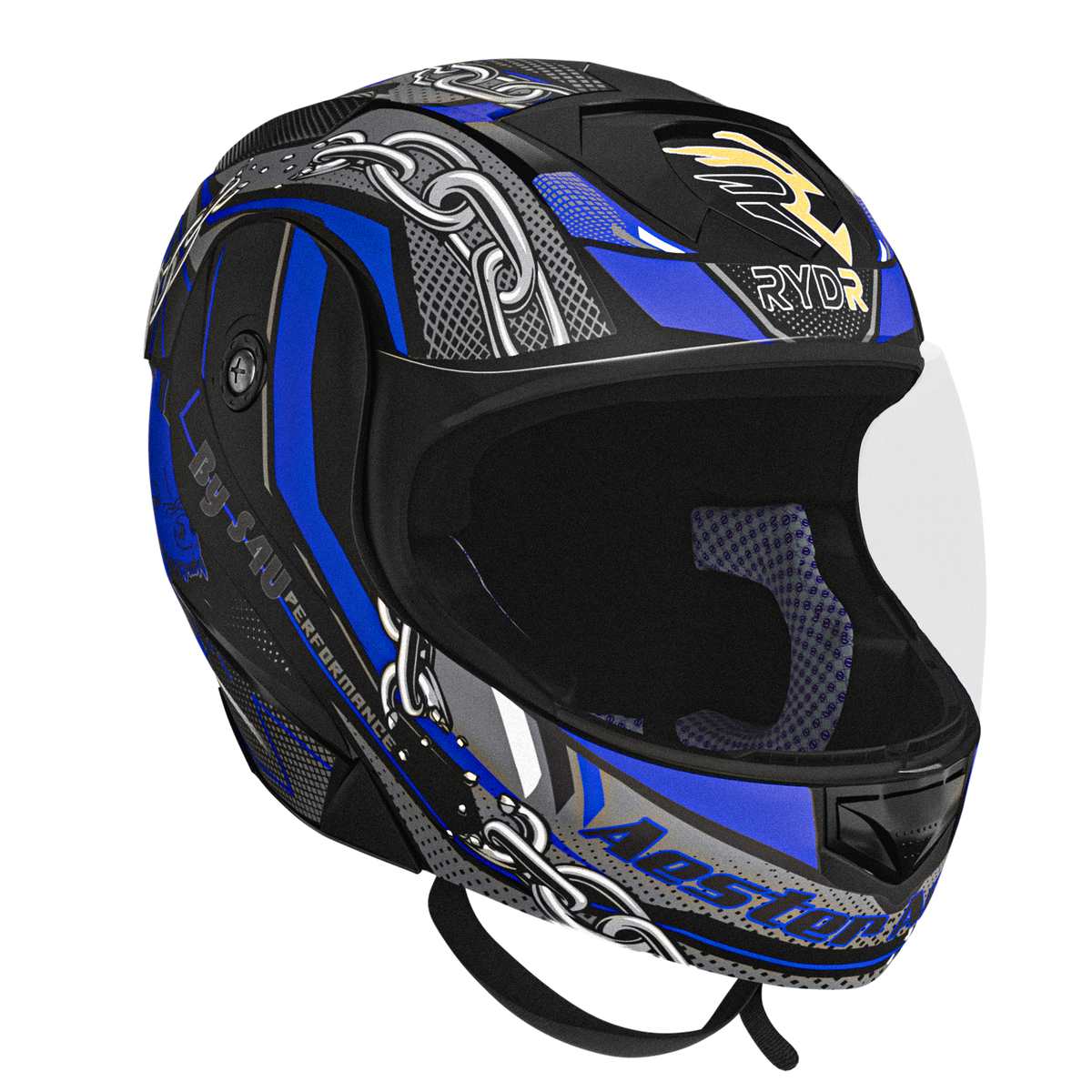
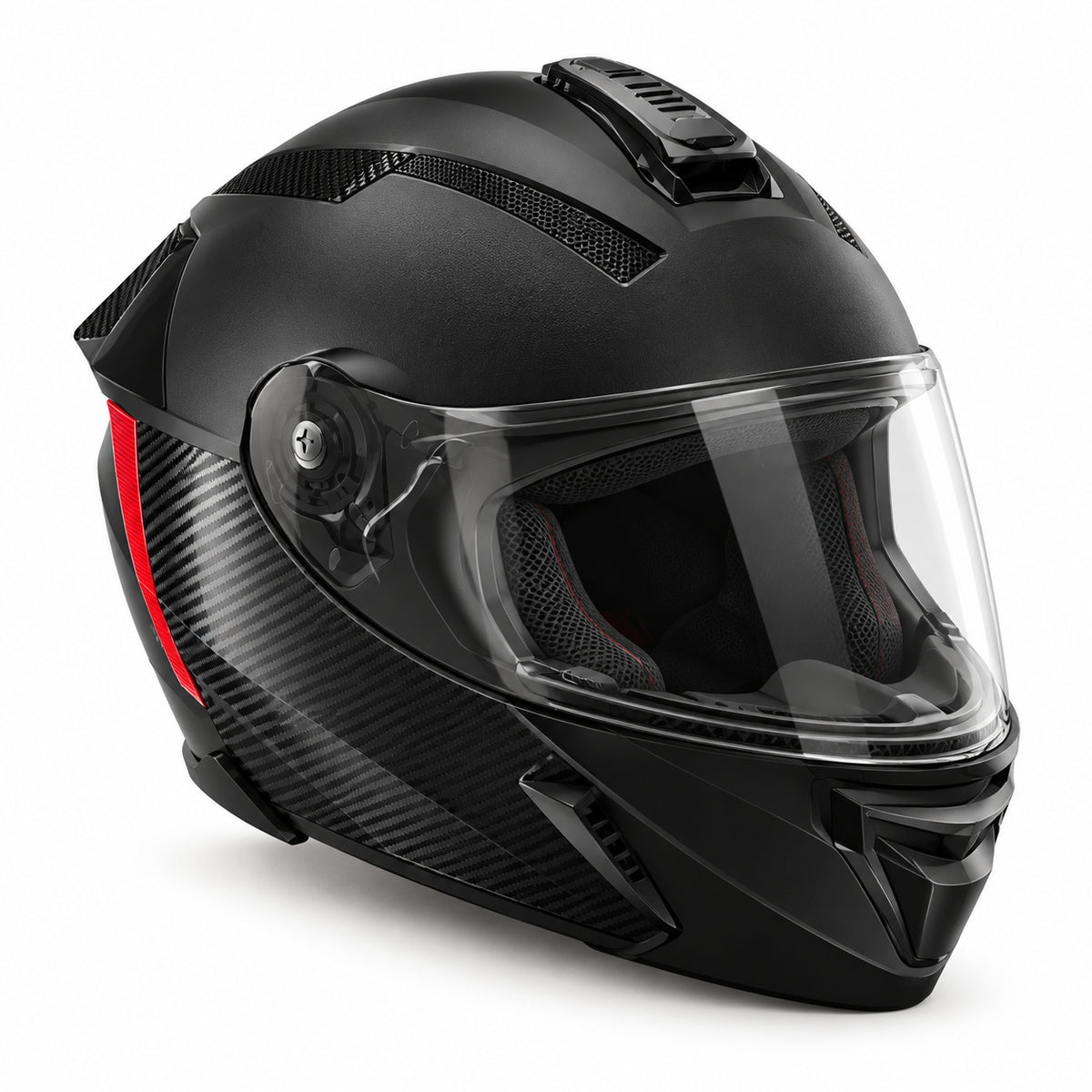
A full-face helmet covers the entire head, including the chin and face, with a visor at the front. Its extended coverage makes it a popular choice among riders who prefer more protection for highway journeys, longer rides, and changing weather conditions.
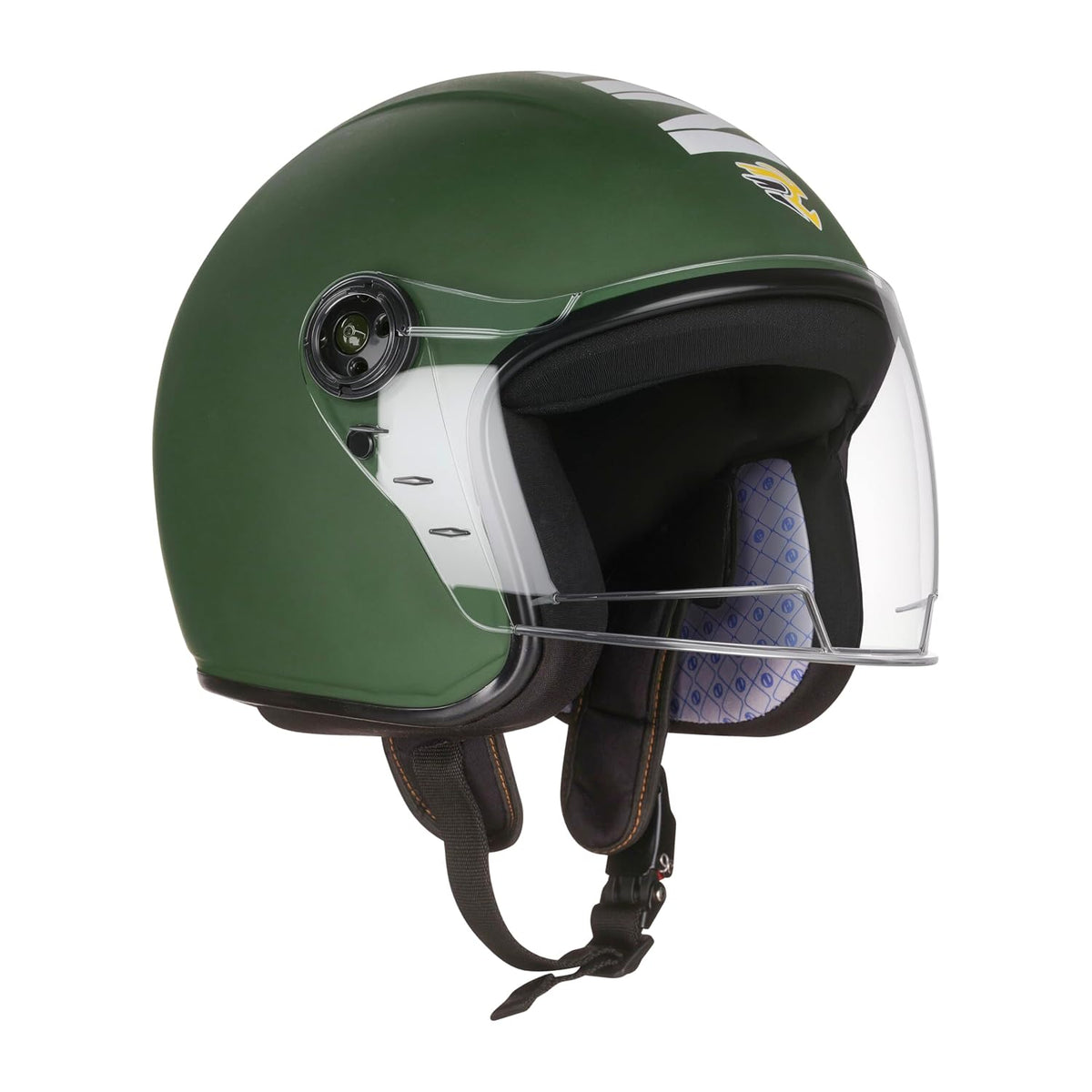
Half Helmets for Men
A half helmet for men covers the top, sides, and back of the head, including the ears, while leaving the face open. In India, the terms “half-face” and “open-face” are often used to describe this style. Avoid minimal cap-style shells that sit above the ears, as they provide considerably less coverage.
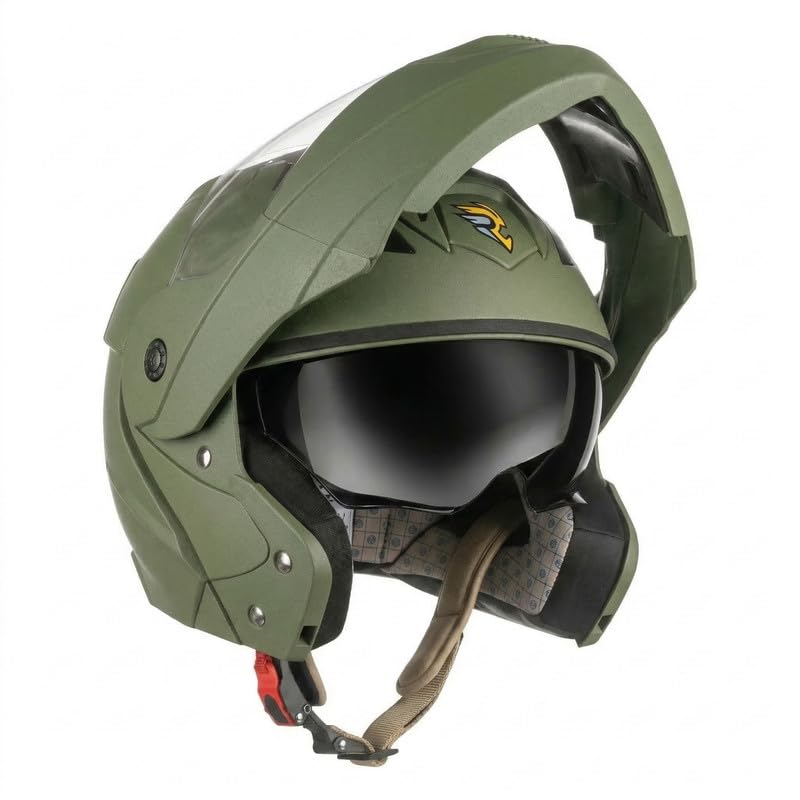
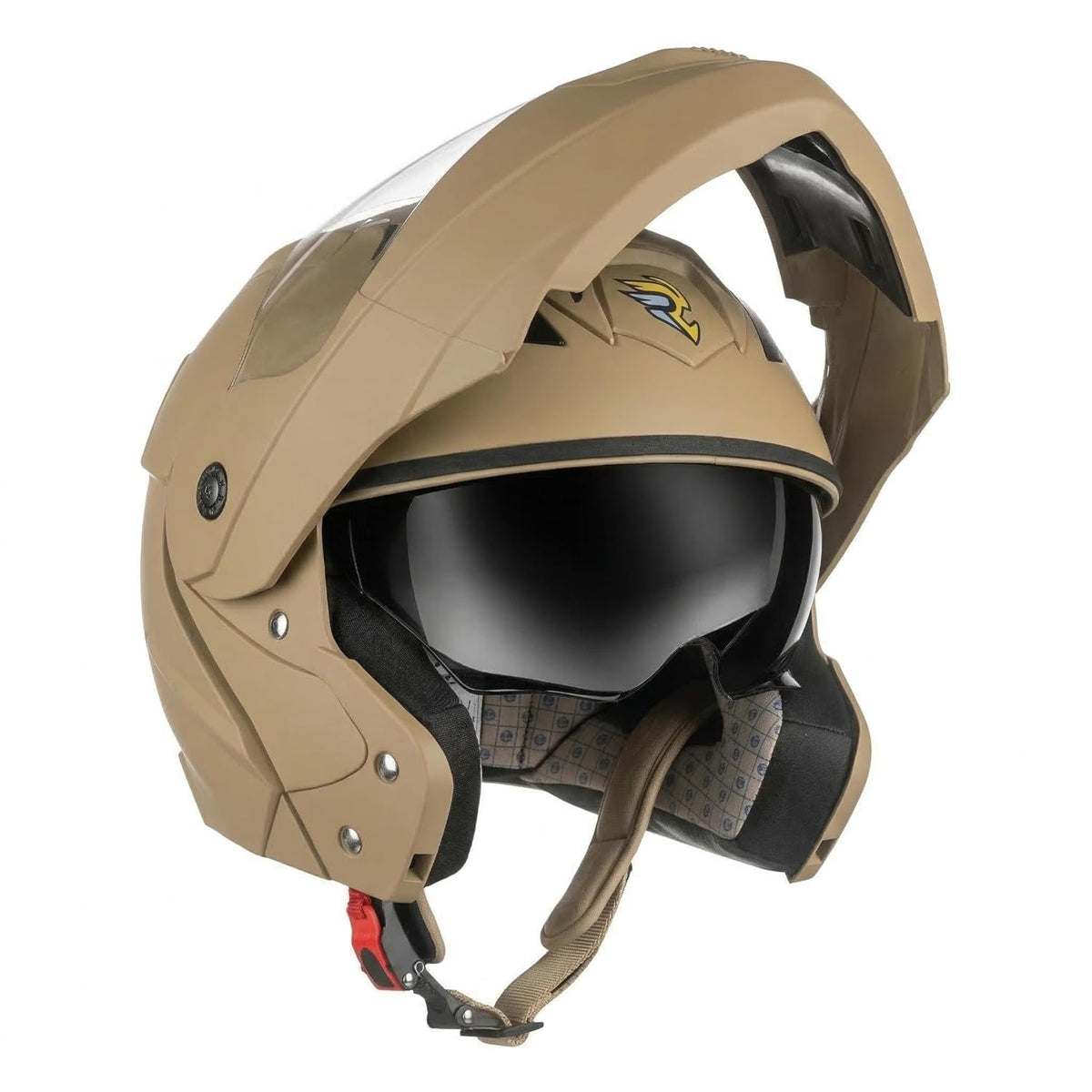
Flip-Up or Modular Helmets
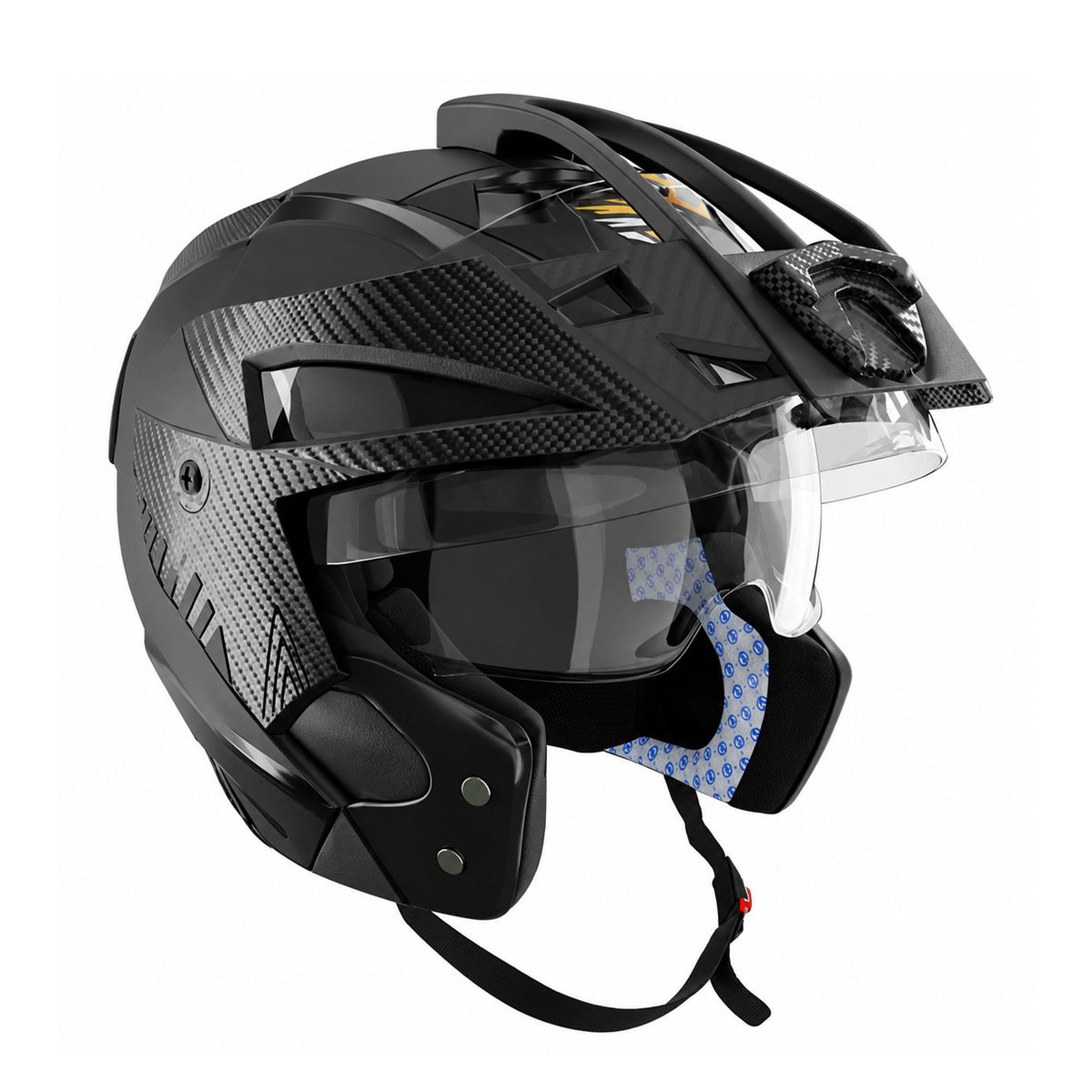
A flip-up or modular helmet features a full-face shell with a chin section that lifts away from the face. This allows riders to raise the front section when stopped. Always follow the manufacturer’s instructions regarding when the chin section can be raised.
How to Choose a Helmet for Men
When choosing a helmet for men, consider how and where you ride before comparing different models. Pay attention to these essential factors:
- Helmet type: Choose between full-face, half-face, open-face or flip-up designs based on your preferred coverage.
- Head size and fit: Measure your head and compare the measurement with the manufacturer’s size guide.
- Coverage: Check how much of your head and face the helmet protects.
- Weight: A lighter helmet can be more comfortable to wear, particularly on longer journeys.
- Ventilation: Proper airflow can make a difference in hot and humid weather.
- Visor and visibility: Look for a clear visor that is easy to operate.
- Fastening system: Check that the chin strap is secure and adjustable.
- Riding habits: Consider whether you mainly commute, travel on highways or go on weekend rides.
- Certification: Look for the ISI mark.
- Comfort: Check that the padding feels comfortable and the helmet fits securely without feeling loose.
Finding the Right Fit for a Bike Helmet
A bike helmet for men should feel snug, sit level on the head and remain stable when you move. Use these steps to check the fit before making a purchase.
- Measure your head. Wrap a flexible measuring tape around your head, approximately 2–3 cm above your eyebrows and level with its widest part. Take the measurement twice for accuracy.
- Check the size chart. Compare your measurement with the manufacturer’s size guide. For example, a head circumference of 57–58 cm corresponds to size M on RYDR’s size guide.
- Test stability. Fasten the chin strap and gently shake your head. The helmet should stay in place without wobbling or sliding.
- Check for pressure. The helmet should feel snug around the cheeks and forehead without causing pain or uncomfortable pressure.
- Wear it for a while. Try wearing the helmet for 30–45 minutes, if possible. This can help you identify pressure points that may not be obvious at first.
Half Helmet for Men vs Full-Face Helmet
The main differences between half helmets and full-face helmets relate to coverage, ventilation, and convenience.
- Coverage: A full-face helmet also covers the chin and jaw, while a half helmet leaves the face exposed.
- Visibility: Half helmets offer an open field of view, while full-face helmets provide a view through the visor.
- Ventilation: Half helmets generally allow more airflow, while full-face helmets may feel warmer in slow-moving traffic.
- Weight: Half helmets are often lighter, although the weight varies by model.
- Weather protection: Full-face helmets shield the face from wind, rain, and dust.
- Riding needs: Half helmets can suit short city journeys, while full-face helmets may be preferable for longer or faster routes.
Features to Look for in a Bike Helmet
When comparing bike helmets, pay attention to the features that affect fit, comfort and protection.
- Protective shell: Look for a sturdy shell with a well-finished exterior.
- Inner padding: Check that the padding is evenly fitted and designed to absorb impact.
- Ventilation openings: Air vents help maintain airflow while riding.
- Visor: Choose a visor that offers a clear view and is easy to operate.
- Chin strap: Make sure the strap is secure and adjustable.
- Comfortable lining: A soft, breathable, and ideally removable lining can make the helmet more comfortable to wear.
- Certification: Check for the ISI mark.
How RYDR Approaches Men’s Helmet Design
RYDR’s men’s collection brings together different helmet styles, allowing you to compare options in one place. For city and scooter rides, the SX1 Black offers a half-face, open design. For longer journeys, the Bolt Dual Black is a full-face option.
The AC-Dx is also an interesting helmet that offers a flip-up design. The collection includes finishes such as solid black, matt green, white, Desert Storm, and graphic designs.
Before placing your order, check the individual product page for available details and consult the size guide to find your fit.
Choosing a Helmet Based on Your Riding Needs
Your riding routine can help narrow down the helmet styles worth considering.
- Daily city commuting: A lightweight, well-ventilated half-face helmet may suit short journeys with frequent stops.
- Scooter rides: An open-front design provides a wide, open view around town.
- Motorcycle and longer rides: Consider greater coverage, while paying attention to weight, ventilation, and fit for extended periods of use.
- Greater face coverage: Explore full-face or flip-up helmets.
- A more open design: Consider half-face or open-face helmets.
Helmet Safety and Certification
Before buying a helmet, check its certification, fit, markings, and overall condition.
- Certification: IS 4151:2015 is the Indian Standard for protective helmets for motorcycle riders. Look for the BIS Standard Mark, commonly called the ISI mark, on the helmet.
- Markings: Check that the labels and manufacturer details are present and clear. Be cautious if important information is missing or difficult to read.
- Size, fit and retention: Even a certified helmet needs to fit properly. Check that it sits securely and that the strap and buckle fasten correctly.
- Condition: Follow the manufacturer’s guidance and avoid helmets with cracked shells or damaged straps.
How to Clean and Maintain a Helmet
Regular cleaning and proper storage can help keep your helmet in good condition.
- Wipe the outer shell and visor with a soft cloth, mild soap, and water.
- Clean removable padding according to the manufacturer’s instructions.
- Allow the helmet to dry completely, away from direct heat.
- Store it in a cool, dry place, away from excessive heat and moisture.
- Avoid harsh chemicals that could damage its materials.
- Inspect the helmet regularly for cracks, loose fittings, and damaged straps.
When Should You Replace a Bike Helmet?
Replace your helmet after any significant impact, even if you don't see visible damage. Also replace it if the shell or straps are damaged or the padding has deteriorated.
Follow the manufacturer’s recommended replacement period. RYDR recommends replacing helmets every 2–3 years, depending on usage.
Explore Men’s Helmets at RYDR
Browse RYDR’s men’s helmet collection, compare product details and check the size guide before choosing a style that suits your riding needs.
RYDR offers free shipping on orders and easy 7-day returns.