A helmet protects your head, but it isn't the only thing you notice during a daily ride.
Sweat can build up during a summer commute. A cold morning can leave your face and neck exposed. Dust, wind, and changing weather can also make a short ride feel less comfortable.
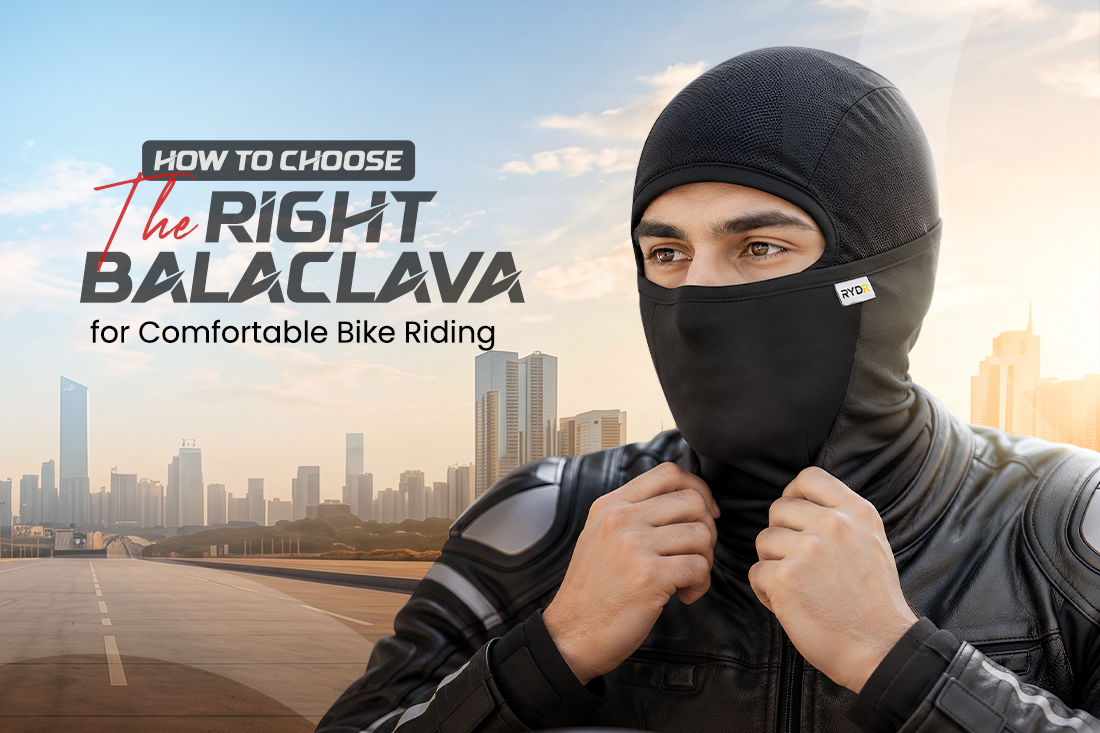
This is where a balaclava can become a useful part of your riding gear. Worn under your helmet, it creates a comfortable layer between your skin and the helmet while covering areas such as the head, face and neck.
But the right one for a daily bike ride isn't simply the thickest or most covered option. Fit, fabric, breathability, coverage, and how it sits under your helmet all matter.
What Is a Balaclava Used for While Riding?
A balaclava is a close-fitting head and face covering that can be worn underneath a motorcycle helmet. Depending on its design, it may cover the head, neck, cheeks, nose and parts of the face.
For riders, its usefulness comes down to comfort and coverage. It can provide a layer between your skin and helmet, help manage moisture, and reduce direct exposure to wind and dust during a ride.
The important point is that a balaclava is not a replacement for a helmet. Your helmet remains the protective equipment designed for impact protection.
How to Choose the Right Balaclava for Bike Riding
Start by thinking about where, when, and how long you usually ride. Then use these steps to narrow down your choice:
1. Start with the fabric.
Choose a lightweight material if you regularly ride in warm or humid conditions. For longer rides, breathable fabric can make the layer more comfortable under your helmet.
2. Check how it stretches.
The fabric should stretch enough to follow the shape of your head and face without feeling too tight. Avoid anything that feels restrictive around your forehead, cheeks or neck.
3. Decide how much coverage you need.
If you regularly ride through dust, wind, sun or pollution, look for coverage across the head, face, and neck.
4. Try it with your helmet.
Put the balaclava on first, then wear your helmet normally. Check whether it creates pressure, bunches up, or changes how your helmet sits.
5. Check the areas around your face.
Make sure the material stays comfortable around your nose, ears, cheeks, and chin. It should stay in place without needing constant adjustment.
6. Think about daily maintenance.
If you plan to wear it regularly, choose a balaclava that is easy to wash and practical for repeated use.
How Indian Weather Changes Your Balaclava Choice
India doesn't have one single climate. The same commuter may deal with heat, humidity, rain, and cooler mornings throughout the year. That means your balaclava mask should work with the weather rather than making the ride less comfortable.
-
Hot and Humid Weather
During summer and humid conditions, breathability becomes especially important. A thick fabric can feel uncomfortable once you start sweating.
Look for lightweight, stretchable material that sits close to the skin without feeling restrictive. A design that covers the neck and face while allowing comfortable breathing is more practical for regular city riding.
-
Cooler Mornings and Winters
During colder months, more coverage can make a noticeable difference. A balaclava that covers the neck, cheeks, and head can provide an additional layer between you and the moving air.
You don't necessarily need an extremely thick design for everyday Indian winters. The right balance is enough coverage without making the helmet feel cramped.
-
Dust, Wind and Changing Conditions
Daily riders can encounter dust, wind and sudden changes in weather during the same commute.
A full-coverage design can act as a comfortable barrier between exposed skin and the outside environment. It also keeps your helmet liner from being in direct contact with your skin, which can be useful when you ride frequently.
When Should You Wear a Balaclava While Riding?
There isn't one type of ride that requires a balaclava. It depends on your comfort, weather and riding routine.
It can be useful when:
- You commute early in the morning.
- You ride regularly during colder months.
- Your helmet liner feels uncomfortable against your skin.
- You want more coverage around your neck and face.
- You regularly ride through dusty or windy conditions.
- You want a lightweight layer between your face and helmet.
For summer commuting, prioritise breathability over heavy coverage. For cooler weather, you can place more emphasis on coverage around the neck and face.
Can a Balaclava Help With Hair Concerns?
Hair loss is a common concern among people who wear helmets regularly. However, there is no reason to claim that wearing a helmet itself causes permanent hair loss.
Hair loss can have many causes, including genetics, hormonal changes, and scalp conditions. A balaclava should therefore not be considered a solution for hair loss. What it can do is create a soft layer between your hair and the helmet. This may help reduce direct rubbing and keep loose hair contained while riding.
If your hairstyle is very tight, that can also create repeated tension on the hair. A balaclava cannot prevent traction-related hair loss, but avoiding excessive pulling and choosing a comfortable helmet fit are sensible steps.
There's also a hygiene angle worth considering. Sweat and bacteria can build up in a helmet's inner liner over time, and that buildup can irritate the scalp, especially on longer or more frequent rides.
A helmet's own padding isn't always easy to wash regularly, so a balaclava worn underneath can act as a barrier that's simpler to remove and clean often. Keeping that layer fresh is a small habit that supports scalp health in a way the helmet liner alone doesn't make easy.
RYDR Balaclava: Made for Everyday Riding
The RYDR Balaclava Face Mask for Bikers is made from lightweight, stretchable fabric designed to fit comfortably under helmets.
It provides coverage for the face, neck and head while helping protect against dust, wind, sun and pollution. The breathable material allows airflow to help you stay cool and dry during longer rides.
Its flexible construction provides a snug fit without making it unnecessarily restrictive, making it suitable for bikers, commuters, cyclists and outdoor enthusiasts.
If you are choosing a balaclava for regular riding, these are the features worth looking for: lightweight fabric, breathability, stretch, comfortable coverage, and a secure fit under your helmet.
The lightweight design also makes it easy to use beyond bike rides, whether you're cycling or spending time outdoors.
FAQs
1. Can I wear a balaclava under a motorcycle helmet?
Yes. A balaclava can be worn under a motorcycle helmet as a comfort and coverage layer. Make sure it does not affect the helmet's fit or position.
2. Is a balaclava good for riding in summer?
A lightweight, breathable design can be more comfortable than a thick one during hot or humid rides. The fabric and coverage matter, so choose based on your local weather and how long you normally ride.
3. Does a balaclava replace a helmet?
No. A balaclava is an under-helmet accessory and does not provide the impact protection of a motorcycle helmet.
4. Should a balaclava be tight under a helmet?
It should fit close to the head without creating uncomfortable pressure. Excess fabric can bunch up under the helmet, while an overly tight fit can become uncomfortable during longer rides.
5. Can I use a balaclava every day for commuting?
Yes. If you find it comfortable, a lightweight balaclava can become part of your regular riding setup. Check the fit with your helmet each time you change the balaclava or switch to a different helmet.
Make Comfort Part of Your Riding Setup
Your helmet remains the most important protective part of your riding gear. The layers you wear underneath it should support comfort without interfering with its fit.
Choose a balaclava based on your weather, riding duration, coverage needs, and helmet fit. For everyday commuters, the right combination should feel comfortable from the moment you leave home to the moment you reach your destination.
Explore RYDR's [Balaclava and Accessories collection] and find riding gear designed to work with your everyday setup. RYDR Balaclava and Accessories.


Leave a comment
This site is protected by hCaptcha and the hCaptcha Privacy Policy and Terms of Service apply.